Date Published: 2026/01/05
Read Time: mins
Best practices for winter road safety
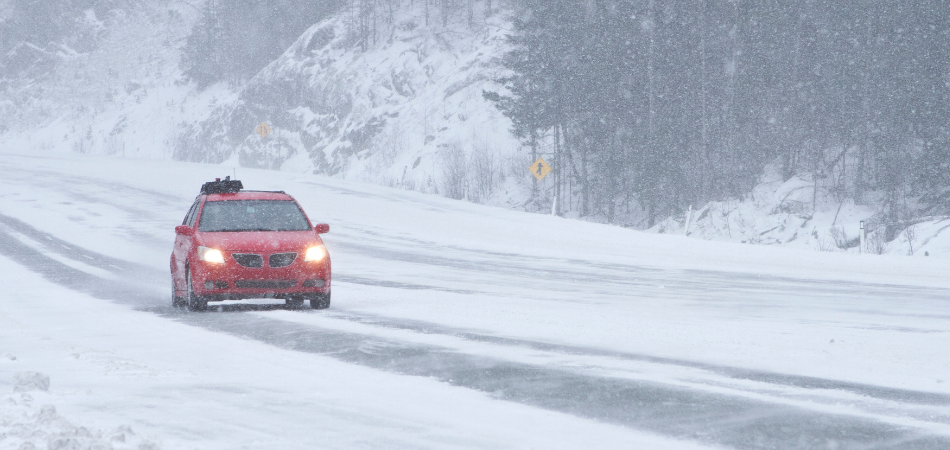
With the arrival of colder weather and shorter days, winter driving conditions are here again. Snow-covered roads can be hazardous, so it’s wise for all drivers to refresh their memory on important safety tips after the warm months. Use this checklist before any upcoming winter storms to help ensure your own safety as well as others on the road.
1. Install winter tires for your vehicle. Regardless of the size of your vehicle, having winter tires will always make a difference on winter roads. Winter tires provide better traction in cold, icy, and snowy conditions. Without them, you’re more likely to lose control of your car or get stuck in bad weather. Don’t forget to tell your insurance company that you have winter tires, as you could receive a winter tire discount on your car insurance premium!
2. Slow down and keep your distance. One of the most important components of winter driving is giving yourself more time to react. Slow down and increase your usual following distance behind other vehicles to give yourself more time to stop, in the event of an emergency. Don’t use cruise control when it could be slippery, as it will increase the time it takes to react in an emergency. You should also brake and accelerate slower than you would on a clear day. Never slam your brakes, as that could initiate a skid.
3. Review how to control a slide. Knowing how to recover from a slide is essential for winter safety. Here is a summary of what you can do to get control of your vehicle during a slide:
- Remain calm and avoid hitting your brakes or gas, this will make things worse.
- Ease off the gas and allow the traction on your tires to steer your vehicle.
- Steer your vehicle in the direction you want to go.
- When you’re off the patch of ice you can accelerate again.
Review these infographics from Canada Drives to learn the best way to get your car back under control if you get into a skid.
4. Clean off your car. Cleaning snow and ice off your car before hitting the road is important for your visibility and safety. Before you drive, clear all snow and ice off your windows, hood, taillights, headlights, roof, safety cameras and safety sensors. Snow left on your car can blow onto your windshield or other vehicles, creating hazards. In Ontario, you can be fined if you cannot see clearly out of your front, front side and rear windows.1
5. Keep your emergency kit stocked. When driving in the winter, keep your gas tank at least half full in case of an emergency. Make sure you transition to winter windshield washer fluid with de-icer and keep an extra jug in your trunk. Check that your car emergency kit is stocked with items such as blankets, food, flashlights, a first aid kit and other tools — review this car emergency kit from CAA.
6. Plan your route ahead of time. Before you head out, check the weather so that you know what to expect. If it looks like it will be snowy or icy, plan to take main roads, as they are more likely to be well maintained. Give yourself extra time to get to your destination so you can take the time to clean snow off your car and drive safely.
Winter provides an ideal opportunity to evaluate your auto insurance coverage. Ensure that your policy offers sufficient protection should an accident occur. Request a quote from Orbit Insurance Services for auto insurance today. If you’re a current customer and want to review your Orbit auto insurance policy, contact an Orbit insurance broker today.
-Home.svg?ext=.svg)
-Auto.svg?ext=.svg)
-Travel.svg?ext=.svg)


-Home.svg?ext=.svg)
-Auto.svg?ext=.svg)
-Boat.svg?ext=.svg)
-Business.svg?ext=.svg)
-Collector.svg?ext=.svg)
-Prize-Indemnity.svg?ext=.svg)
-Motorcycle.svg?ext=.svg)
-RV-Class-A.svg?ext=.svg)
-RV.svg?ext=.svg)
-Travel.svg?ext=.svg)

