Date Published: 2026/06/05
Read Time: mins
DIY camper van insurance: What you need to know before you start
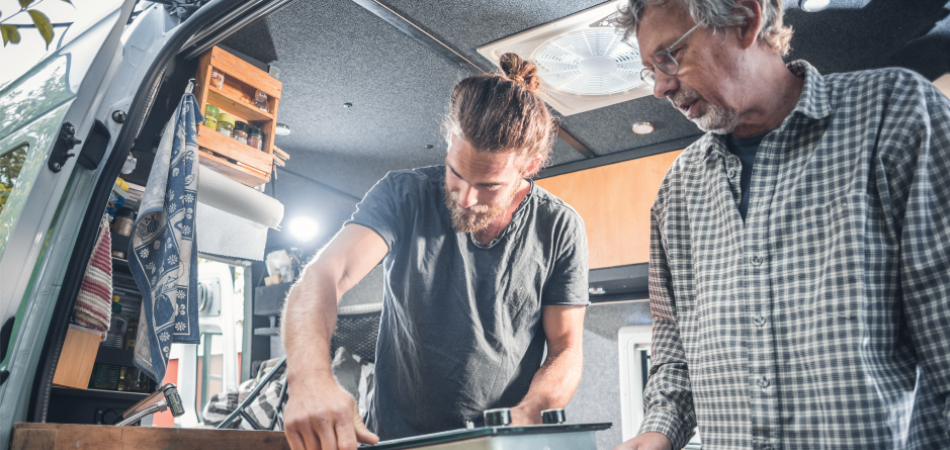
Van life is attracting more and more enthusiasts. Freedom, flexibility, spontaneous getaways… it’s easy to see the appeal. But before turning a vehicle into a living space, one key question arises: is it easy to insure? The answer varies from case to case.
Why DIY vans are more difficult to insure
A converted van is a hybrid vehicle, combining transportation and living space, which makes it more complex for insurers to assess.
In the case of a DIY conversion, the challenge is even greater. Without recognized manufacturing standards, some insurers may view these projects as higher risk.
What this can mean:
- Coverage refusal in some cases
- Stricter conditions from certain insurers
- Limited protection, especially for interior modifications
At Orbit, we have observed that many of these issues could be avoided with proper validation at the early stages of a project. Without adequate preparation, some owners could end up with partial coverage — or even a full denial — after investing significant time and money.
A more open market, but still selective
As van life grows in popularity, insurers are gradually adapting their offerings. However, applications are still assessed carefully.
Key factors that influence acceptance include:
- The extent of modifications
- The quality of installations
- The availability of documentation
- The owner’s profile
Keep in mind: vans converted by recognized manufacturers are generally easier to insure, as their compliance is easier to demonstrate.
How to maximize your chances of being insured
You can take proactive steps early on to avoid complications. Here are some best practices:
- Have your project approved by the appropriate authorities before you begin.
- Have critical systems inspected, especially electrical work.
- Keep all documentation: invoices, photos, and plans.
- Follow safety standards — gas, ventilation, electrical systems.
These steps not only improve your chances of obtaining adequate coverage but also help reduce the risk of loss.
Key takeaway
A well-planned, well-documented project that complies with safety standards will be much easier to insure. This helps protect both your investment and your peace of mind.
Are you thinking about buying or converting a van?
Compliance, inspection, and classification requirements may vary from province to province. Contact an Orbit insurance expert to understand the potential impacts on your insurance and find the coverage that’s right for you.
-Home.svg?ext=.svg)
-Auto.svg?ext=.svg)
-Travel.svg?ext=.svg)


-Home.svg?ext=.svg)
-Auto.svg?ext=.svg)
-Boat.svg?ext=.svg)
-Business.svg?ext=.svg)
-Collector.svg?ext=.svg)
-Prize-Indemnity.svg?ext=.svg)
-Motorcycle.svg?ext=.svg)
-RV-Class-A.svg?ext=.svg)
-RV.svg?ext=.svg)
-Travel.svg?ext=.svg)

