Date Published: 2026/01/19
Read Time: mins
Electrical fire safety: Causes and prevention
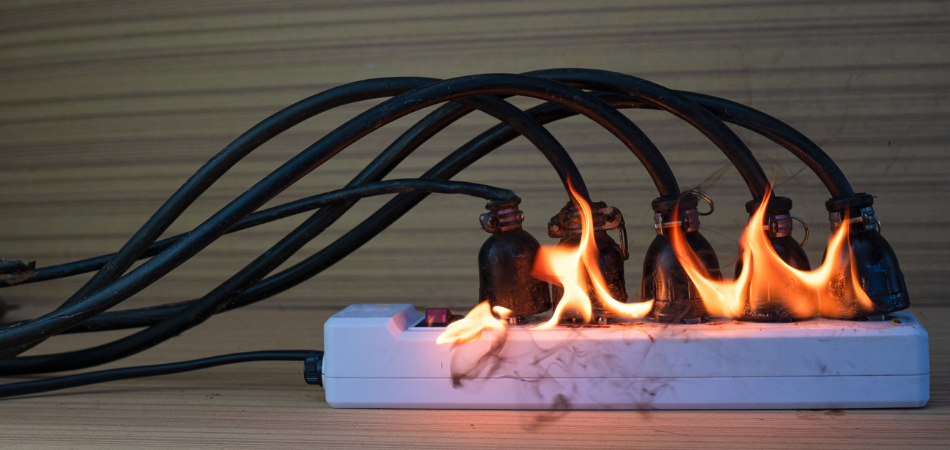
Every winter, Canadian homes work harder than ever. Furnaces run constantly, space heaters warm up cold rooms, and holiday lights brighten the dark evenings. But all this extra electrical demand puts stress on your home's wiring, and that's when problems can start.
Electrical fires account for 20% of all fires in Canada. But here's the reassuring news: you have more control over preventing them than you might think.
You don't need to be an electrician to keep your home safe. Understanding a few key warning signs and following some simple maintenance steps can make all the difference between a safe home and a dangerous situation.
In this article, you'll learn what causes electrical fires, how to spot problems before they become emergencies, and practical steps you can take today to protect your family and home.
Why electrical fires happen in homes
Electrical fires don't usually start out of nowhere. They develop because of specific problems that build up over time. Recognizing these causes can help you stop trouble before it starts.
Overloaded circuits and outlets
When you plug too many devices into one outlet or power bar, you risk overloading the circuit. This creates excessive heat that can ignite a fire.
This problem becomes especially common during Canadian winters. Space heaters, electric blankets, and holiday lights all compete for the same outlets, pushing your electrical system beyond its limits.
Outdated or faulty wiring
Many older homes contain wiring that doesn't meet current safety standards. If your home was built between 1960 and 1980, it may have aluminum wiring, which poses higher fire risks than modern copper wiring.
Worn insulation, loose connections, and outdated systems all increase your risk. Homes over 40 years old should have their electrical systems inspected by a licensed electrician.
Damaged electrical cords
Frayed, cracked, or pinched cords expose wires that can spark fires. Damage often happens when cords run under rugs, get crushed by furniture, or become chew toys for pets. Never ignore damaged cords. Replace them immediately, even if the appliance still works.
Extension cord misuse
Extension cords are designed for temporary use only. Plugging major appliances like refrigerators, air conditioners, or space heaters into them can cause dangerous overheating. Daisy-chaining multiple extension cords together multiplies the risk even further.
Simple steps to prevent electrical fires
Protecting your home from electrical fires combines regular maintenance with smart daily habits. Here's how to keep your family safe.
Schedule professional electrical inspections
Have a licensed electrician inspect your home's electrical system every three to five years. If your home is older than 25 years, consider more frequent inspections.
During an inspection, electricians identify potential electrical fire hazards, such as:
- Damaged or deteriorating components.
- Outdated or damaged wiring that needs replacement.
- Improper installations that are not up to local and/or national electric codes.
Practice safe cord management
Inspect all electrical cords before each use and replace damaged ones immediately.
- Keep cords away from heat sources, water, and oil.
- Never remove the third prong from plugs, it provides essential grounding.
- Secure cords with tape, never nails or staples that can pierce the insulation.
- Confirm all equipment matches the required amperage ratings.
Manage your electrical load wisely
- Avoid plugging multiple high-wattage devices into a single outlet.
- Always use the correct fuse size. Oversized fuses allow dangerous current levels.
- Know where your circuit breaker panel is located.
- Label each breaker clearly so you know which outlets and appliances it controls.
- Spread your electrical load across different circuits.
Install and maintain critical safety devices
- Smoke alarms. Install them on every level of your home and test them monthly. Replace batteries twice a year when you change your clocks.
- Ground Fault Circuit Interrupters (GFCIs). These devices shut off electrical current instantly when they detect irregularities. Install them in bathrooms, kitchens, laundry rooms, and outdoor outlets.
- Arc Fault Circuit Interrupters (AFCIs). Modern electrical panels include these devices, which detect dangerous electrical arcing before it causes fires. If your panel doesn’t have them, consider upgrading.
Ensure proper use of appliances
- Use appliances according to manufacturer guidelines.
- Unplug heat-generating appliances like irons, toasters, and space heaters when not in use.
- Never leave cooking appliances unattended.
- Clean your dryer's lint trap after every load and have the vent professionally cleaned annually.
- Unplug everything from any outlet that feels warm or hot, then call an electrician immediately.
Consider upgrading your electrical panel
If your home still uses a fuse-based electrical panel, upgrading to a modern breaker panel significantly improves safety. Newer panels include AFCIs that detect and stop dangerous electrical arcing.
This upgrade is particularly important for older homes where electrical demands have increased over the decades. Today's homes power far more devices than systems from the 1960s or 70s were designed to handle.
Electrical fire safety warning signs you shouldn't ignore
Your home usually gives you advance warning before an electrical fire develops. Watch for these red flags:
- Circuit breakers that trip frequently or fuses that blow often. This signals an overloaded or malfunctioning system.
- Flickering or dimming lights. Especially when you turn on appliances, this indicates potential wiring problems.
- Burning smells or scorch marks. If this is happening near outlets, switches, or appliances, it is a serious warning that requires immediate attention.
- Warm or discoloured outlets. Hot spots or brown staining around outlets reveal dangerous heat buildup.
- Buzzing or sizzling sounds. Coming from outlets, switches, or your electrical panel, these noises signal electrical problems.
If you notice any of these signs, call a licensed electrician right away. Quick action prevents fires from starting.
What to do if an electrical fire starts
Even with excellent prevention, emergencies can still happen. Know these steps:.
- Never use water on an electrical fire. Water conducts electricity and can cause electrocution or spread the flames.
- Turn off the power at the breaker if you can reach it safely without going near the fire.
- Use a Class C fire extinguisher if the fire is small and contained (no larger than a wastebasket). These extinguishers are specifically designed for electrical fires.
- Evacuate immediately if the fire is larger than you can safely handle or if you don't have the right extinguisher.
- Call 911 once you're safely outside.
- Close doors behind you as you evacuate to slow the fire's spread.
- Never re-enter a burning building for any reason. Wait for firefighters to declare it safe.
Create a home escape plan that everyone in your household understands. Practice it regularly so everyone knows exactly what to do and where to meet outside in an emergency.
Review your home insurance coverage
Prevention is your best defence against electrical fires, but comprehensive home insurance provides financial protection when the unexpected happens.
Your home insurance should cover:
- Damage to your home's structure.
- Replacement of your belongings.
- Additional living expenses if your home becomes uninhabitable.
- Liability protection.
Review your coverage regularly to ensure it matches your home's current value and contents. Many Canadians are underinsured without realizing it.
Protect your home with confidence
Electrical fire safety comes down to awareness, maintenance, and smart habits. By recognizing risks early and taking simple preventive steps, you dramatically reduce your chances of experiencing an electrical fire.
Small actions make a big difference. Inspecting cords regularly, avoiding overloaded outlets, and scheduling professional inspections all contribute to a safer home.
Ready to protect your home and your peace of mind? Get a quote from Orbit Insurance Services today. Our team of insurance experts help Canadian families find home insurance coverage that fits their needs and budget, so you can focus on what matters most — keeping your loved ones safe. If you’re a current customer and want to review your coverage, contact an Orbit insurance broker today.
-Home.svg?ext=.svg)
-Auto.svg?ext=.svg)
-Travel.svg?ext=.svg)


-Home.svg?ext=.svg)
-Auto.svg?ext=.svg)
-Boat.svg?ext=.svg)
-Business.svg?ext=.svg)
-Collector.svg?ext=.svg)
-Prize-Indemnity.svg?ext=.svg)
-Motorcycle.svg?ext=.svg)
-RV-Class-A.svg?ext=.svg)
-RV.svg?ext=.svg)
-Travel.svg?ext=.svg)

