Date Published: 2026/11/13
Read Time: mins
Is your garage becoming a fire risk?
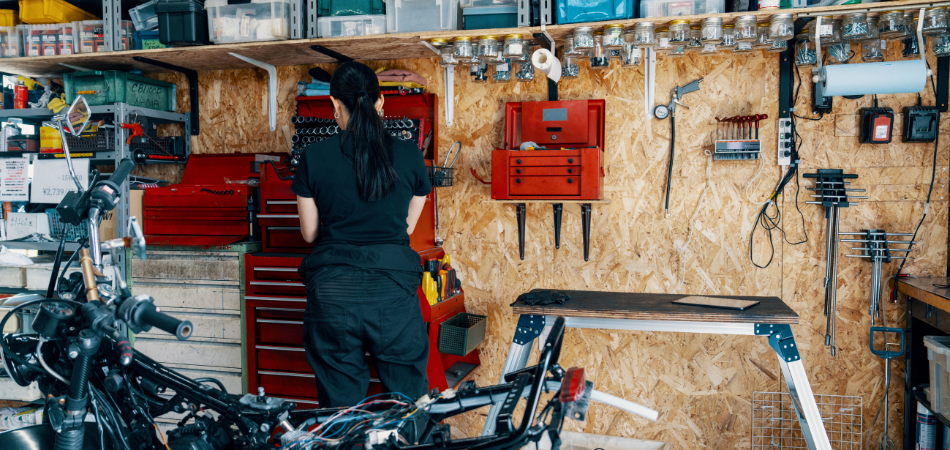
Garage fire risks are evolving as Canadians keep more rechargeable, battery-powered equipment in and around their homes. Electrical faults, combustible materials, and oily rags remain common hazards, while lithium-ion batteries can overheat, catch fire, or explode when damaged or used improperly. Most garage fires are preventable. Learn what can cause them and which practical steps can help protect your family and property.
- Common causes of garage fires
- Tips to keep your garage safe
- Additional fire safety tips
Causes of garage fires
- Electrical malfunctions are a common cause of garage fires. A fire can start when wiring becomes damaged or short-circuits, or when an electrical outlet is overloaded.
- Lithium-ion batteries pack a lot of energy into a small space. They can quickly overheat, catch fire, or explode when not used properly.
- Oil-based paints, stains, and varnishes are commonly used for home improvement projects. It’s typical to use rags to clean up spills or brushes. But did you know these seemingly harmless, oily, wet rags can ignite on their own?
Lithium-ion battery fires are an emerging concern for homeowners who charge or store e-bikes, e-scooters, power tools, and other rechargeable devices at home. Along with established electrical and storage hazards, these devices make safe charging, handling, and storage especially important.
No garage is completely fireproof, but you can significantly reduce the risk by taking these steps:
Electrical malfunctions:
- Have a certified, licensed electrician inspect the wiring in your house and garage.
- Always plug appliances, tools, and rechargeable devices directly into an outlet and unplug them when not in use.
- Avoid overloading electrical outlets. Use extension cords only temporarily, and replace any that are old, damaged, or frayed.
Lithium-ion batteries:
- Identify which devices in your garage use lithium-ion batteries and chargers.
- Only use the battery and charger that came with the device.
- Choose devices and batteries that have been tested and certified to meet the Canadian national safety standards. Avoid lower-cost counterfeit products that may not meet these requirements.
- Read and follow the manufacturer’s instructions for each device.
- Never leave a charging device unattended, especially overnight or by an exit.
- Store batteries at room temperature and out of direct sunlight.
- Stop using a battery immediately if you notice any overheating, odour, change in colour or shape, leaking, or odd noises.
- Check your local waste management website for instructions on safely disposing of lithium-ion batteries, as requirements vary by municipality.
Flammable materials:
- Hang oily wet rags outside and away from any structures to dry. Be sure to keep them spaced out, not piled up.
- Place used oily rags in a metal container filled with water and detergent until you can dispose of them safely. Seal the container with a tight-fitting lid.
- Whenever possible, store flammable substances like gas, oil, propane, paint, and varnishes in a separate structure that isn't connected to the rest of your house, like your shed. If that isn't possible, store them in small quantities.
- Keep liquids in their original container with their lids on tight.
Other safety tips:
- Organize and clean your garage regularly to remove possible fuel for a fire.
- Ask your local fire service whether a heat alarm is appropriate for your garage and where it should be installed. A heat alarm sounds when the temperature reaches a set level.
- Use welding, grinding, and cutting tools that can create sparks outside and safely away from your house.
- Don’t use cooking devices inside your garage.
- If you smoke, smoke outside and butt out in an ashtray.
Don’t let your garage become a fire hazard. Regularly check for electrical problems, unsafe charging practices, and improperly stored flammable materials. Taking action now can help reduce the risk of a destructive garage fire.
If you’re a current Orbit customer, contact an Orbit insurance broker to review your home insurance policy and discuss additional optional coverage. If you’re shopping for home insurance, request a quote and an Orbit insurance expert will contact you.


