Date Published: 2026/03/31
Read Time: mins
How to protect your home in the event of a flood
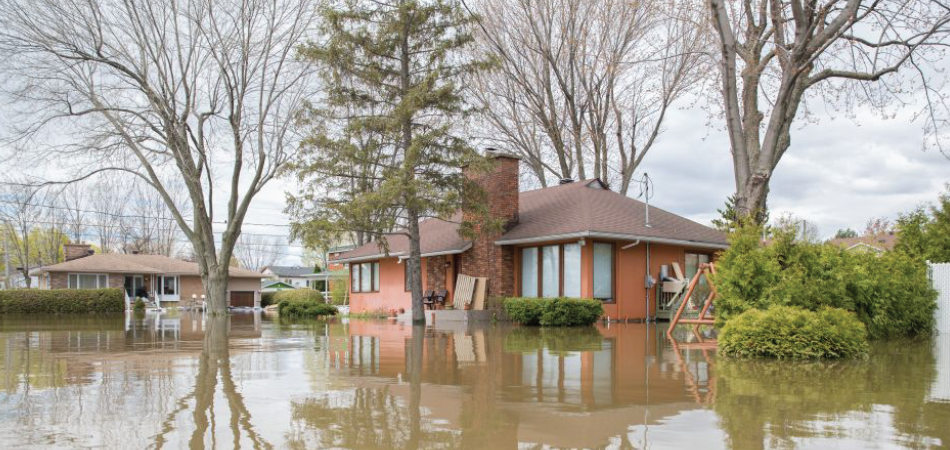
Flooding can occur at different times of the year, particularly in the spring during snowmelt or following heavy rainfall.
Floods may be caused by:
- Rising rivers and waterways
- Ice accumulation or ice jams breaking up
- Heavy rainfall
- Sewer backups or insufficient drainage.
Even though certain preventive measures can reduce risks, it remains difficult to accurately predict the timing and severity of a flood.
Various monitoring and response measures are implemented during high risk periods, including water level monitoring, the deployment of emergency resources, and the issuance of pre alert or alert notices to the public.
Explore the steps you can take to prepare your home and reduce damage when flooding occurs
Exterior openings
Protect basement windows using securely fastened panels.
Floor drains
- Ensure the backwater valve is functioning properly.
- Close off the drain if no backflow valve is installed.
Electricity
- Shut off the electrical power if water may reach electrical installations.
- Never enter a flooded area if the power has not been turned off.
Heating systems and appliances
Consult your service provider to determine the appropriate precautions.
Furniture and personal belongings
Move furniture, appliances, and valuables to upper floors.
Hazardous products
Store toxic substances (oils, solvents, pesticides) in a safe location to prevent contamination.
Emergency kit (72 Hours)
Each household should be able to be self sufficient for at least 72 hours.
Essential items:
- Flashlight and spare batteries
- Portable radio
- First aid kit
- Drinking water and non perishable food
- Extra clothing
- Blankets
- Personal hygiene items
- Medications and copies of prescriptions
- Identification and important documents
- Cash
- List of important phone numbers*
- Whistle to signal your presence in an emergency.
Adjust the contents of the kit to meet the specific needs of infants, seniors, individuals with medical conditions, and pets.
*List of phone numbers: insurer, electrician, plumber, contractor, municipal emergency services, electricity provider, healthcare professionals or veterinarians, etc.
After the flood
Priority: safety
- Avoid any risk of electric shock.
- Wear protective boots and gloves.
- Have electrical systems inspected before putting them back into service.
Documentation
- Take photos or videos of the damage.
- Contact your insurer as soon as possible.
Cleanup
- Remove standing water as quickly as possible.
- Remove contaminated materials (insulation, drywall, soaked carpets).
- Clean all surfaces with water and detergent.
- Dry the home within 48 hours to limit mold growth.
- Ventilate the space or use a dehumidifier.
Items to discard
- Mattresses, particle board furniture, upholstered items, and soaked insulation materials.
- Objects contaminated by sewage water.
Before re-entering the home
- Have electrical, heating, and ventilation systems inspected.
- Ensure that all structures and cavities are completely dry.
Regarding the endorsement for watercourse overflow, it is important to note that it is not always available when the residence is located in a high-risk area, or that the cost of this endorsement may be higher. Please contact us to learn more.
In closing, we invite you to visit the website of the Institute for Catastrophic Loss Reduction, where you will find various publications, including information on basement flooding, sump pumps, and backwater valves.
-Home.svg?ext=.svg)
-Auto.svg?ext=.svg)
-Travel.svg?ext=.svg)


-Home.svg?ext=.svg)
-Auto.svg?ext=.svg)
-Boat.svg?ext=.svg)
-Business.svg?ext=.svg)
-Collector.svg?ext=.svg)
-Prize-Indemnity.svg?ext=.svg)
-Motorcycle.svg?ext=.svg)
-RV-Class-A.svg?ext=.svg)
-RV.svg?ext=.svg)
-Travel.svg?ext=.svg)

