Date Published: 2025/12/22
Read Time: mins
How to reduce your electricity bill in winter
Winter is a beautiful season, but it can drive up your electricity costs if you don’t adopt a few simple habits.
Here’s how to save while staying warm:
Heat efficiently
Heating accounts for more than half of your electricity bill. To cut costs:
- Lower the temperature by one degree. A small adjustment can lead to significant savings.
- Install a smart thermostat. It automatically adjusts the temperature based on your habits.
- Choose an efficient heat pump. Depending on your province, you may qualify for financial incentives if you combine several measures.
Manage hot water wisely
Water heating is the second-largest source of electricity consumption. To reduce costs:
- Take short showers instead of baths. Did you know? A half-filled bathtub uses 33% more hot water than a 7-minute shower.
- Install a low-flow showerhead.
- Delay running the dishwasher and washing machine until off-peak hours.
Seal your windows
Air leaks can account for up to 25% of heat loss.
- Check the seals on windows and doors.
- Close curtains and blinds at night to reduce heat loss.
- Open them during the day to let the sun warm your home.
Cook smarter
Some appliances consume a lot of energy. During peak periods, use small appliances:
- Slow cooker: up to 80% less electricity than an oven.
- Toaster oven, microwave, air fryer: quick and energy-efficient options.
Charge at the right time
If you own an electric vehicle, schedule charging outside peak hours.
Phantom loads: The invisible waste that impacts your bill
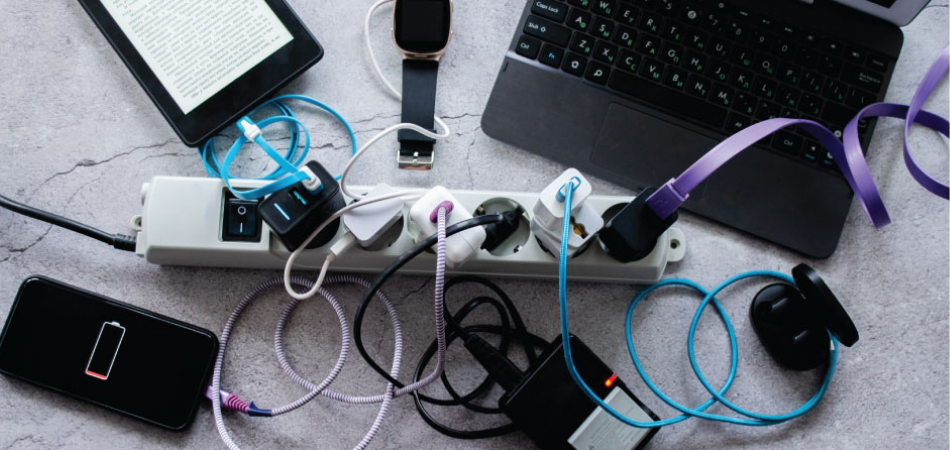
Even when turned off or in standby mode, devices continue to consume electricity. This “phantom” consumption can represent up to 10% of your energy bill. TVs, computers, game consoles, microwaves, coffee makers, and even plugged-in chargers are all culprits.
Why does it consume energy?
- Keeping settings and clocks active.
- Indicator lights (LEDs).
- Network connection for updates or quick start.
How to reduce these losses?
- Unplug unused devices, especially chargers.
- Use power strips with switches to cut power easily.
- Choose ENERGY STAR® certified devices that limit standby consumption.
- Opt for smart or programmable power bars.
- Unplug devices before long absences to avoid paying for wasted watts.
Every action counts: by eliminating phantom loads, you lower your bill and help the energy transition.
-Home.svg?ext=.svg)
-Auto.svg?ext=.svg)
-Travel.svg?ext=.svg)


-Home.svg?ext=.svg)
-Auto.svg?ext=.svg)
-Boat.svg?ext=.svg)
-Business.svg?ext=.svg)
-Collector.svg?ext=.svg)
-Prize-Indemnity.svg?ext=.svg)
-Motorcycle.svg?ext=.svg)
-RV-Class-A.svg?ext=.svg)
-RV.svg?ext=.svg)
-Travel.svg?ext=.svg)

