Date Published: 2026/05/11
Read Time: mins
Smart landscaping starts here: Mistakes every homeowner should avoid
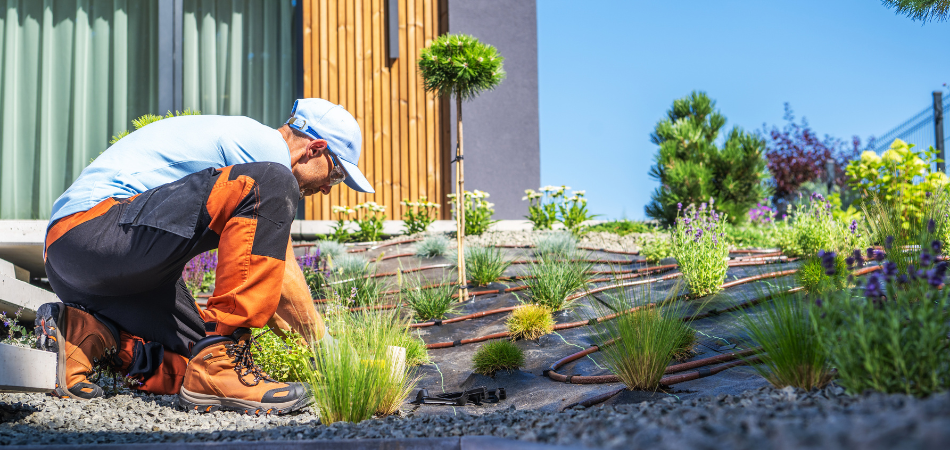
Landscaping can be a fun and exciting way to improve the look outside your home. Whether you’re a first-time landscaper or a seasoned green thumb, there are common pitfalls to watch out for when planning your dream yard. In fact, certain landscaping mistakes could cause significant damage to your home and result in costly repairs. Review this list before getting started to learn about four common landscaping mistakes and how to avoid them.
1. Skipping the research stage
When choosing plants for your landscaping design, it pays to research which plants will suit your home’s unique environment. Start by researching the type of plants that thrive in your area. The plants you choose should be able to survive your region’s average high and low temperatures for the season. Factors like soil type, humidity, rain, late frosts and wind should all be taken into account.
It’s also important to check the plant’s level of toxicity. Some popular landscaping plants can be dangerous for pets and even for children if they come into contact with them or ingest them. For example, brugmansia (angel’s trumpet), although very attractive, is known for its high level of toxicity. Taking the time to research before planting can help avoid unnecessary risks for your family and your pets.
Consider what seasons the plants you’ve chosen do best in and what your yard will look like year-round. For example, if the plants you’ve chosen flourish in the summer, what will your home look like for the rest of the year? Choose a mix of plants to suit all four seasons. Careful research will ensure your home’s landscape design thrives all year.
2. Not planning for the long-term
Creating a sustainable landscape takes more than a weekend of planting—it requires thoughtful, long-term planning. A common mistake homeowners make is trying to do everything at once, which can lead to rushed decisions and expensive changes down the road. Instead, start by focusing on a few key elements such as hardscaping, trees, or garden beds that will form the foundation of your yard. From there, you can gradually build and refine your landscape over time, adding new features as your needs, budget, and vision evolve.
It’s also important to think ahead and imagine what your yard will look like years from now, not just when it’s freshly planted. Trees and plants will grow, spread, and change over time, and placing them too close together can quickly lead to overcrowding. This can negatively impact your home’s curb appeal and limit airflow and sunlight, increasing the risk of disease and poor plant health.
Maintenance is another key consideration when planning for the future. While a lush, detailed landscape may look appealing, it’s important to be realistic about the time, effort, and resources required to maintain it year after year. Ask yourself whether you’ll be able to keep up with ongoing tasks like pruning, watering, and seasonal clean-up. If not, consider scaling back your plans or choosing low-maintenance plants and materials that will help your yard stay healthy and attractive with less upkeep.
3. Planting trees and shrubs too close to your home
Think about what your trees and shrubs will look like ten or twenty years from now. As they continue to grow, trees and shrubs that are planted too close to your home can cause significant damage if left unchecked. Overhanging limbs can damage your home’s roof, while spreading roots can disrupt your home’s foundation.
Research what the trees and shrubs you’ve selected will look like as they reach maturity. Plant them far enough away from your home to allow enough space for them to safely grow.
Spring is a great time to take stock of your trees and shrubs after winter. It’s easier to spot damaged limbs, weak branches, or plants that didn’t make it through the colder months. As you clean up your yard and plan what to plant next, decide whether any trees or shrubs should be pruned, removed, or relocated. Many shrubs and young trees establish best when planted early in the season, once the ground has thawed and the risk of hard frost has passed in your area.
4. Overlooking drainage
Poor drainage can cause stagnant water to pool around your home. This can quickly lead to basement flooding and damage to your home’s foundation – both of which can result in hefty repair costs. When making your landscaping plans, you must account for water drainage and consider how you are going to divert it away from your home. If your yard slopes down towards your home, you will need to regrade it to lead water away and prevent it from pooling next to the foundation.
Depending on the complexity of your landscaping design and the size of your yard, you may need to consider installing an in-ground drainage or weeping tile system as a long-term solution for potential drainage issues. Contact a trusted industry professional to discuss the drainage options that are best suited for your home and landscaping plans.
Despite your best prevention efforts, accidents happen, and it can be expensive to repair damage to your home without sufficient insurance coverage. If you’re curious to learn if your landscaping project is covered by your home policy, contact an Orbit insurance broker today to get a free personalized quote and discover service that revolves around you.
-Home.svg?ext=.svg)
-Auto.svg?ext=.svg)
-Travel.svg?ext=.svg)


-Home.svg?ext=.svg)
-Auto.svg?ext=.svg)
-Boat.svg?ext=.svg)
-Business.svg?ext=.svg)
-Collector.svg?ext=.svg)
-Prize-Indemnity.svg?ext=.svg)
-Motorcycle.svg?ext=.svg)
-RV-Class-A.svg?ext=.svg)
-RV.svg?ext=.svg)
-Travel.svg?ext=.svg)

