Date Published: 2025/12/03
Read Time: mins
How to prevent costly insurance claims: Your winter home prep guide
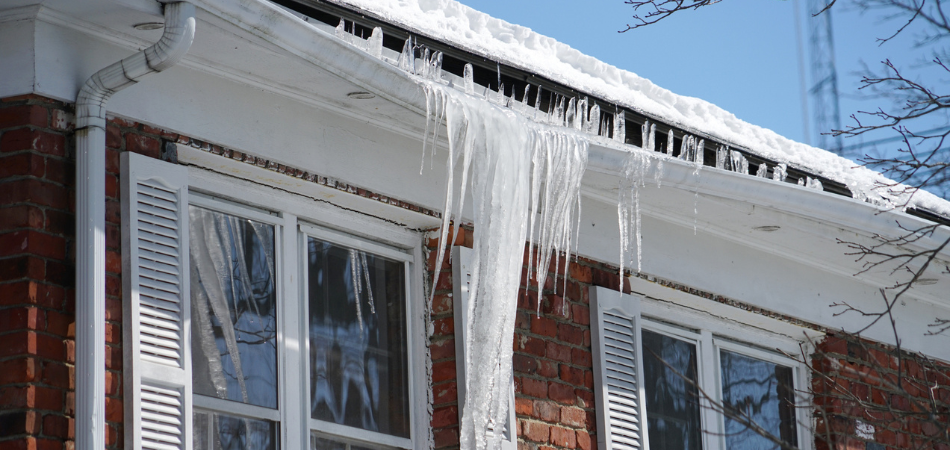
Winter in Canada brings cozy evenings by the fireplace, holiday gatherings and beautiful snow-covered landscapes. But it also brings unique challenges for homeowners, from frozen pipes to ice dams and furnace failures.
The good news? Most winter-related insurance claims are preventable with the right preparation.
This winter home prep guide will walk you through essential maintenance tasks that keep your property safe, warm, and claim-free all season long.
Why winter home maintenance matters
Winter is the riskiest season for Canadian homeowners. In fact, according to new data from BCAA, over half (53%) of all weather-related insurance claims are recorded between November and January, making these three months absolutely critical for home protection.
Fortunately, winter damage doesn't have to be inevitable. A few hours spent on proactive maintenance now can save you from weeks of costly repairs, the hassle of temporary relocation and the potential for higher insurance premiums down the road.
Protect your pipes from freezing
Frozen pipes are one of the most common causes of winter insurance claims in Canada. When water freezes inside pipes, it expands and can cause pipes to burst, releasing water into your home Here are some steps you can take to keep your pipes safe:
Insulate household pipes
To effectively protect your plumbing from winter's harsh conditions, it's important to start by locating which pipes are most at risk. Pipes in areas that lack adequate heating or insulation are especially vulnerable to freezing and bursting when temperatures drop. These include spaces such as basements, crawl spaces, attics, garages and exterior walls, where cold air can easily seep in and lower temperatures around the pipes. Wrap these pipes with foam insulation sleeves available at hardware stores. Ensure the insulation material is wrapped tightly and there are no gaps.
Taking action before the onset of severe cold weather can help prevent costly water damage and the inconvenience of winter-related insurance claims. Proper insulation is a simple yet effective way to safeguard your home's plumbing and maintain peace of mind throughout the season.
Maintain consistent heat
Even if you're travelling during the holidays, never let your thermostat drop below 16°C. Maintaining a consistent indoor temperature is crucial because sudden dips can allow cold air to penetrate unheated spaces, increasing the risk of frozen or burst pipes. The money you save on heating bills isn't worth the risk of frozen pipes, as water damage repairs can be extensive and costly.
Consider installing a smart thermostat that not only helps manage your home's temperature efficiently but also alerts you if indoor temperatures drop unexpectedly, so you can respond promptly to prevent potential damage.
Let faucets drip
Allow faucets connected to exposed pipes to drip cold water. The constant movement makes it far less likely for water to freeze inside the pipes. Even a slow drip can help relieve pressure within the pipes, reducing the risk of bursting from ice expansion.
Focus on faucets connected to pipes that run through unheated areas of your home, such as basements, crawl spaces, garages, or along exterior walls, since these locations are most susceptible to freezing temperatures.
Seal air leaks and insulate cold spaces
One of the most important steps in protecting your home’s plumbing during winter is ensuring cold air doesn’t reach your pipes. Pipes in unheated or poorly insulated areas are particularly vulnerable to freezing, which can lead to costly damage. Check for drafts around windows, doors and where pipes enter your home. Use weatherstripping or caulking to seal these gaps and keep cold air out.
In addition to sealing air leaks, consider adding insulation to your attic, basement and crawl spaces. These areas often experience significant temperature drops during cold weather, increasing the risk of frozen pipes. Proper insulation maintains higher temperatures in these vulnerable areas, making it much harder for pipes to freeze even during the coldest snaps.
Addressing these potential problem spots before severe cold weather arrives will help safeguard your plumbing, reduce the risk of water damage and provide peace of mind throughout the season.
Keep your roof in top shape
Canadian winters mean heavy snow loads, and your roof bears the brunt of it. Snow accumulation, ice dams and freeze-thaw cycles can lead to leaks, structural damage, or even roof collapse in extreme cases.
Protect your roof with these steps:
Schedule a pre-winter roof inspection
Before the first snowfall, have a professional inspect your roof, gutters, and attic insulation. They'll identify potential weak spots, damaged shingles, or inadequate ventilation that could cause problems later.
Clean your gutters
Clogged gutters prevent proper drainage, leading to ice dams—thick ridges of ice that form at roof edges and force water under shingles. Clear leaves and debris from gutters and downspouts and ensure water is directed away from your roof and foundation.
Improve attic insulation and roof ventilation
Proper attic insulation and ventilation work together to prevent winter damage. When warm air escapes into your attic and gets trapped, it causes two problems: moisture buildup that damages shingles and uneven roof temperatures that create ice dams. Check with a professional to ensure your attic insulation and ventilation are winter-ready.
Service your heating system
Your furnace works overtime during Canadian winters. A breakdown during a cold snap isn't just uncomfortable, it's dangerous and can lead to frozen pipes and other property damage.
How to keep your heating system reliable:
- Schedule annual professional maintenance before winter arrives. Having your heating system inspected and serviced by a qualified technician each year helps ensure it's running efficiently and safely before winter weather sets in. Regular maintenance can catch small issues early, preventing costly breakdowns and keeping your home warm when you need it most.
- Replace furnace filters monthly during heating season. Clean filters improve airflow, help your furnace run more efficiently, and reduce allergens in your home. Changing them every month when the system is in regular use minimizes dust buildup and can even extend the life of your heating equipment.
- Keep vents and radiators clear of furniture and debris. Blocking heat sources with furniture, curtains, or clutter reduces the effectiveness of your heating system. Make sure all vents and radiators have plenty of space around them so warm air can circulate freely throughout your home, helping maintain a consistent temperature.
- Consider a backup heating source, like a portable electric heater, for emergencies. Power outages or furnace failures can leave your home dangerously cold in winter. Having a safe, reliable backup heating option, such as a portable electric heater can provide temporary warmth and peace of mind until your main system is restored.
Don't forget your detectors
While you're focused on heating safety, take a few minutes to test your smoke and carbon monoxide detectors. Winter means more time with furnaces running, fireplaces burning, and homes sealed tight. These are all conditions that increase the risk of carbon monoxide buildup. Press the test button on each detector and replace batteries if needed. If your detectors are more than 10 years old, replace them entirely.
Prepare for power outages
Winter storms can knock out power for hours or even days. Being prepared protects both your family and your home.
Build your emergency kit, including:
- Flashlights and extra batteries.
- Battery-powered or hand-crank radio.
- Non-perishable food and water (three days' worth per person).
- First aid supplies.
- Charged power banks for mobile devices.
- Blankets and warm clothing.
- Manual can opener.
If you experience an extended outage, drain your pipes to prevent freezing by shutting off the main water valve and opening all faucets to let water drain out.
Review your home insurance coverage
December is the perfect time to review your home insurance policy and ensure you have the right coverage for winter-related risks.
Ask yourself these questions as you review your home insurance policy:
- What winter risks do you have coverage for?
- Is your coverage amount sufficient to rebuild if disaster strikes?
- Do you have coverage for additional living expenses if you need to relocate temporarily?
- Are your belongings and valuables adequately protected in case of damage or loss?
At Orbit Insurance Services, our team of knowledgeable brokers can review your current coverage and help you understand your protection. We'll answer your questions and ensure you have the right policy for your needs and budget.
Your winter-ready home checklist
Stay organized with this quick reference checklist:
- Insulate pipes.
- Program thermostat for consistent heating.
- Seal air leaks around windows, doors, and pipe entries.
- Insulate cold spaces where pipes are vulnerable.
- Schedule professional roof inspection.
- Clean gutters and ensure proper drainage.
- Check attic insulation and ventilation.
- Service furnace and replace filters.
- Test smoke and carbon monoxide detectors.
- Stock emergency supplies and build power outage kit.
- Consider backup heating source for emergencies.
- Review home insurance policy.
Protect what matters most
Preventing home insurance claims starts with being proactive. The time and effort you invest now can save you from stress, expenses, and disruption down the road.
Winter home preparation doesn't have to be overwhelming. By tackling these tasks early, you'll enter winter confident that your home is protected against common risks.
Request a quote from Orbit Insurance Services for home insurance today. Our team is here to help you find comprehensive coverage that protects your home through every Canadian season.
Stay warm, stay safe, and enjoy everything this winter season has to offer, knowing your home is ready for whatever weather comes your way.
-Home.svg?ext=.svg)
-Auto.svg?ext=.svg)
-Travel.svg?ext=.svg)


-Home.svg?ext=.svg)
-Auto.svg?ext=.svg)
-Boat.svg?ext=.svg)
-Business.svg?ext=.svg)
-Collector.svg?ext=.svg)
-Prize-Indemnity.svg?ext=.svg)
-Motorcycle.svg?ext=.svg)
-RV-Class-A.svg?ext=.svg)
-RV.svg?ext=.svg)
-Travel.svg?ext=.svg)

