Date Published: 2026/04/09
Read Time: mins
Preventing water damage in your RV
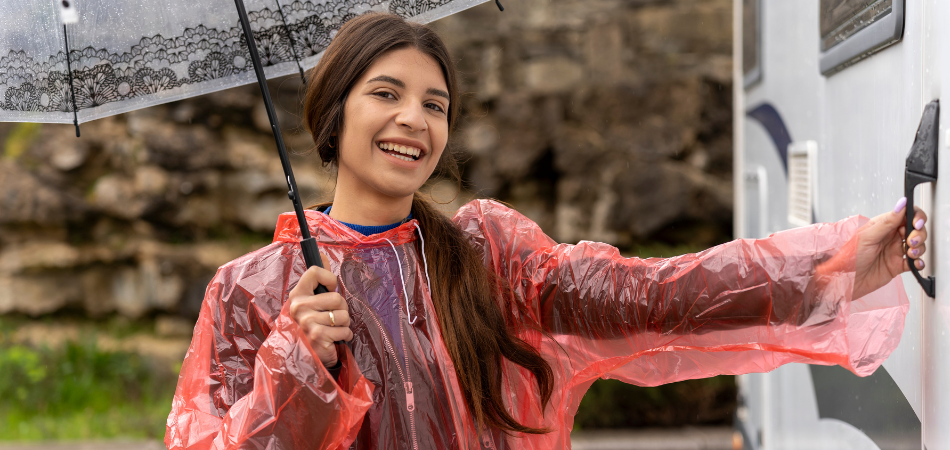
Water damage is one of the most common and costly problems RV owners face. A small leak left unnoticed can quickly turn into warped floors, mould, electrical issues, and major repair bills. The good news? With regular maintenance and a few smart habits, many water‑related issues are preventable. If water damage does occur, knowing what to do right away can make a big difference.
Here’s what every Canadian RV owner should know about preventing water damage in their RV and what steps to take if it’s already happened.
Why water damage is such a big risk for RVs
Unlike a house, an RV is constantly exposed to vibration, movement, weather, and temperature changes. Seals dry out, fittings loosen, and tiny cracks can form over time. RV walls and floors often contain wood and insulation; water intrusion can spread quickly and remain hidden until the damage is severe.
That’s why prevention and early detection are key.
How to prevent water damage in your RV
1. Inspect seals and seams regularly
At least twice a year and before long trips, inspect:
- Roof seams and sealant
- Windows and doors
- Vents, skylights, and slide‑outs
Look for cracked, peeling, or dried‑out sealant and re‑seal as needed using RV‑approved products.
2. Take care of the roof
Your RV roof is your first line of defence against rain and melting snow. Have a professional clear debris, check for soft spots, and watch for pooling water. Even a pinhole can allow moisture to seep-in over time. Do not climb on your roof and if you plan to clear your roof without the help of a professional, follow these guidelines for removing snow off your RV roof safely.
3. Monitor plumbing and appliances
Water damage doesn’t just come from outside. Take time to Inspect:
- Fresh water and waste lines
- Water heater connections
- Bathroom and kitchen plumbing
- Washing machines or ice makers (if equipped)
If you notice dripping, changes in water pressure, or musty smells, investigate immediately.
4. Winterize properly
Canadian winters are tough on RVs. Failing to winterize correctly can lead to frozen and burst pipes, which often cause significant water damage in spring.
Proper winterization includes:
- Draining water lines and tanks
- Adding RV‑safe antifreeze
- Disconnecting and draining hoses
Here is an in-depth list for winterizing your RV. If this seems like too much to manage, having a professional take care of the work is recommended.
5. Use moisture control inside the RV
Condensation can also cause damage, especially during storage. To prevent it, use:
- Dehumidifiers or moisture absorbers
- Ventilation when cooking or showering
- Breathable RV covers (never plastic tarps)
Signs of water damage you shouldn’t ignore
Water damage often starts quietly, long before you notice major issues. Recognizing the early warning signs is the best way to prevent costly repairs down the road. If you notice any of the following indicators, it’s important to act quickly to prevent the problem from worsening.
Early warning signs include:
- Soft or spongy floors
- Bubbling or discoloured walls
- Musty or mouldy odours
- Stains around windows, ceilings, or cabinets
What to do if water damage has already happened
1. Stop the source immediately
If possible, shut off the water supply or cover exterior leaks to prevent further damage.
2. Document everything
Take photos and videos of the affected areas as soon as possible. This documentation is important if you need to make an insurance claim.
3. Dry the area
Use fans, dehumidifiers, and ventilation to reduce moisture. The longer water sits, the more damage it can cause.
4. Contact your insurance broker
Water damage coverage for RVs can vary depending on:
- The cause of the damage
- How long the issue existed
- Your specific policy and endorsements
An insurance broker can help you understand what may be covered and guide you through the next steps.
5. Avoid DIY structural repairs
Temporary drying is fine, but structural repairs should be assessed by professionals. Improper fixes can worsen damage or impact future claims.
How RV insurance can help
RV insurance may cover certain types of sudden, accidental water damage, such as a burst pipe or an unexpected leak. However, damage caused by long‑term wear, neglect, or unresolved maintenance issues is often excluded.
That’s why regular upkeep matters, and reviewing your policy to understand what RV insurance covers for water damage is very important.
Peace of mind starts with prevention and the right coverage
Water damage can derail a camping season fast, but with routine inspections, proper storage, and a clear understanding of your insurance coverage, you can significantly reduce the risk.
If you’re unsure whether your current RV insurance offers the protection you need, or if you’re buying a new or used RV, speaking with an insurance broker can help ensure you’re properly covered before the unexpected happens. Contact an Orbit insurance broker to review your RV insurance policy. Interested in getting a free quote? Request a quote from one of our RV insurance experts today.
-Home.svg?ext=.svg)
-Auto.svg?ext=.svg)
-Travel.svg?ext=.svg)


-Home.svg?ext=.svg)
-Auto.svg?ext=.svg)
-Boat.svg?ext=.svg)
-Business.svg?ext=.svg)
-Collector.svg?ext=.svg)
-Prize-Indemnity.svg?ext=.svg)
-Motorcycle.svg?ext=.svg)
-RV-Class-A.svg?ext=.svg)
-RV.svg?ext=.svg)
-Travel.svg?ext=.svg)

