Date Published: 2026/03/04
Read Time: mins
Staged collisions: How to spot them and stay protected
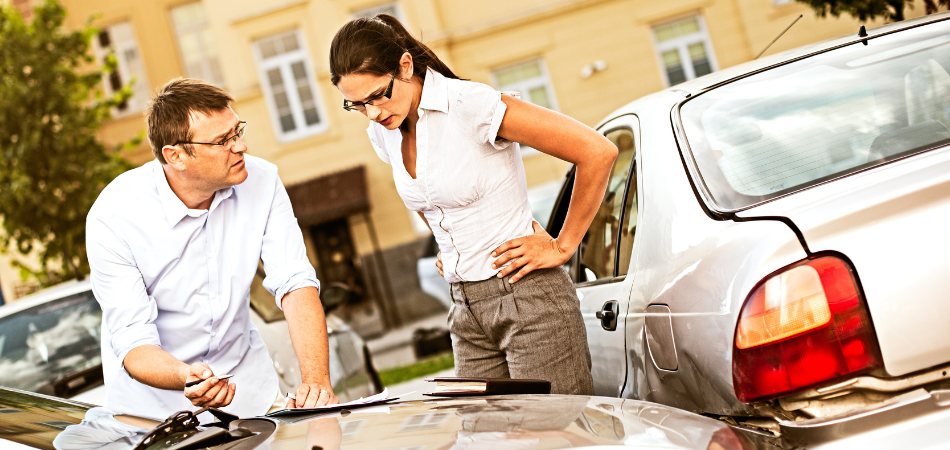
You're driving through an intersection when a car suddenly cuts in front of you and slams on the brakes. Before you can react, you've rear-ended them. The driver jumps out with several passengers, all claiming injuries, and insists you use their recommended repair shop. What just happened?
You may have been the victim of a staged collision. These are intentional accidents committed by fraudsters to file false insurance claims. By knowing the warning signs and understanding how these schemes work, you can protect yourself and respond confidently if you're ever targeted.
In this article, you'll learn what staged collisions are, how to spot the red flags, and the practical steps to take if you're involved in a collision.
What are staged collisions?
A staged collision is a deliberate crash orchestrated by fraudsters who target unsuspecting drivers, prompting them to file false insurance claims and profit from the scheme.
Here's how it typically works:
- The fraudster intentionally causes a collision that makes you appear at fault.
- They then file inflated or completely false claims for vehicle damage, injuries, lost income, and other expenses.
- Many staged collisions involve what's known as a fraud party, including multiple drivers and passengers who coordinate their stories along with false witnesses who claim you were at fault.
- Some work with networks of dishonest tow truck operators, repair shops, and even medical professionals to maximize their payout.
The financial impact is staggering. Auto insurance fraud costs Canadians more than $2 billion every year, according to industry estimates from Aviva. While that might sound like an insurer's problem, it affects all drivers through higher insurance premiums.
Understanding how these schemes operate is your first line of defence. When you know what to watch for, you're better equipped to protect yourself.
Common types of staged collisions
Fraudsters use several tactics to stage collisions. Here are three of the most common schemes you should know about.
The swoop and squat
In this staged collision technique, the fraudster pulls in front of your vehicle and slams on their brakes, causing you to rear-end them. Often, other vehicles working with the fraudster will box you in or drive alongside to prevent you from avoiding the crash.
The front vehicle typically contains multiple passengers who all claim to be injured. This amplifies the fraudulent claims and increases the payout.
The drive-down or wave-in
This scheme usually happens in parking lots or heavy traffic. In a parking lot, the fraudster waves you out of your parking spot, then accelerates into you to cause a collision that makes you look at fault. In traffic, they'll wave you in to change lanes, then speed up to hit your vehicle.
Either way, the fraudster will deny waving you through and claim you caused the accident.
The target left turn
You're waiting to turn left at an intersection when another driver waves you through. As you begin your turn, they suddenly accelerate and crash into you. The fraudster will then claim they never gave you permission to proceed.
Warning signs you've been targeted
Recognizing the red flags of a staged collision can help you protect yourself. Watch for these suspicious signs during and after a collision.
Before the crash
Pay attention to unusual driving behaviour around you. Watch for these suspicious driving patterns:
- A vehicle following too closely behind you.
- Another driver repeatedly cuts you off.
- Other cars box you in to prevent you from changing lanes.
These coordinated movements often signal a setup.
At the scene
Several warning signs may appear immediately after the collision. Watch for these red flags:
- A group of witnesses suddenly appear and all support the other driver's story.
- Multiple passengers claim serious injuries despite minor vehicle damage.
- A tow truck arrives almost instantly without being called.
- Pressure to use specific repair shops, lawyers, or medical providers.
Pressure tactics
Fraudsters often pressure victims to sign paperwork at the scene while they're still shaken after the collision. Never sign blank insurance claim forms or any documents you don't fully understand. Take your time and read everything carefully before signing anything.
What to do if you're involved in a collision
Whether you suspect fraud or not, following these steps will protect you after any collision.
Stay calm
Staged collisions happen quickly, and fraudsters count on your panic to cloud your judgment. Take a deep breath, stop your vehicle, and move it off the road if it's safe to do so. Your clear thinking in these first moments is crucial.
Assess the situation
Look carefully at the damage to all vehicles involved. Check whether any drivers or passengers appear injured. If someone claims a serious injury, don't move them until medical help arrives.
Watch for the warning signs we discussed earlier. Does anything about the situation feel off?
Notify the authorities
Call 911 immediately if any of these apply:
- Someone is hurt.
- You think any other driver may be guilty of a Criminal Code offence, such as impaired driving.
- You suspect you're the victim of a staged collision.
Otherwise, follow the police collision reporting protocol as required by the regulations in your province or territory.
Capture details and exchange information
Gather the following information from everyone involved:
- Names and contact information for all drivers, passengers, and witnesses.
- Vehicle details: licence plate numbers, makes, models, and colours.
- Insurance information from all drivers.
- Photos and videos of the collision scene, capturing all vehicle damage, road conditions, street signs, and vehicle positions from multiple angles.
The more documentation you have, the better protected you are. Use an accident report form like this one from Insurance Bureau Canada to make sure you don’t miss any important details.
Don't sign any documents or agree to anything at the scene of the accident. You're under no obligation to make immediate decisions while you're still processing what happened.
Contact your insurance provider
Report the collision to your insurance carrier as soon as you're in a safe place. Explain what happened and mention any suspicious behaviour you noticed. If you suspect you've been targeted in a staged collision, tell both your insurer and the police.
Your insurance company has fraud investigation teams who know what to look for. They can guide you through the claims process and ensure you're protected.
How to protect yourself from staged collisions
While you can't prevent every fraudster from targeting you, these proactive steps reduce your risk and help you respond effectively.
Stay alert behind the wheel
Maintain a safe following distance from the vehicle in front of you. This gives you more time to react if they brake suddenly. Be extra cautious of drivers who seem to be following too closely or cutting you off repeatedly.
Think twice before trusting a wave
Be cautious when other drivers wave you through intersections, into parking spots, or across lanes in heavy traffic. Fraudsters use these seemingly friendly gestures to set up collisions where you appear at fault. When in doubt, wait for a clear opportunity rather than relying on another driver's signal.
Use a dash cam
A dash cam provides an unbiased record of what happens on the road. This video evidence can be crucial if you're involved in a staged collision. Many dash cams now include front and rear cameras to capture activity on all sides of your vehicle.
Know your rights
You're never required to sign blank forms, use a specific repair shop, or accept recommendations from strangers at an accident scene. Don't let anyone pressure you into making quick decisions.
Trust your instincts
If something about a collision feels staged or suspicious, it probably is. Trust that gut feeling and take extra care documenting everything. Report your concerns to both the police and your insurance provider.
Stay vigilant and choose an insurance partner you can count on
Staged collisions are a real concern, but you're now equipped to spot the warning signs and respond confidently. By staying alert, documenting everything carefully, and trusting your instincts when something feels off, you can protect yourself from becoming a victim.
Remember that most drivers on Canadian roads are honest people just like you. The fraudsters are a small minority, and understanding how they operate gives you an advantage. Whether you're dealing with a genuine accident or a staged collision, following the right steps ensures you're prepared.
The right auto insurance coverage gives you peace of mind and support when you need it most. Whether you're filing a legitimate claim after an accident or dealing with suspicious activity, having a trusted insurance partner makes all the difference.
If you're shopping for new coverage or reviewing your current policy, we're here to help. Contact an Orbit insurance broker to review your current policy. If you’re in the market for insurance or looking to switch providers at your renewal date, request a quote from Orbit Insurance Services today. Our team is here to help you find the protection that fits your needs and keeps you confident on the road.
-Home.svg?ext=.svg)
-Auto.svg?ext=.svg)
-Travel.svg?ext=.svg)


-Home.svg?ext=.svg)
-Auto.svg?ext=.svg)
-Boat.svg?ext=.svg)
-Business.svg?ext=.svg)
-Collector.svg?ext=.svg)
-Prize-Indemnity.svg?ext=.svg)
-Motorcycle.svg?ext=.svg)
-RV-Class-A.svg?ext=.svg)
-RV.svg?ext=.svg)
-Travel.svg?ext=.svg)

