Date Published: 2026/05/13
Read Time: mins
Wake boats vs ski boats: Features, performance, and safety
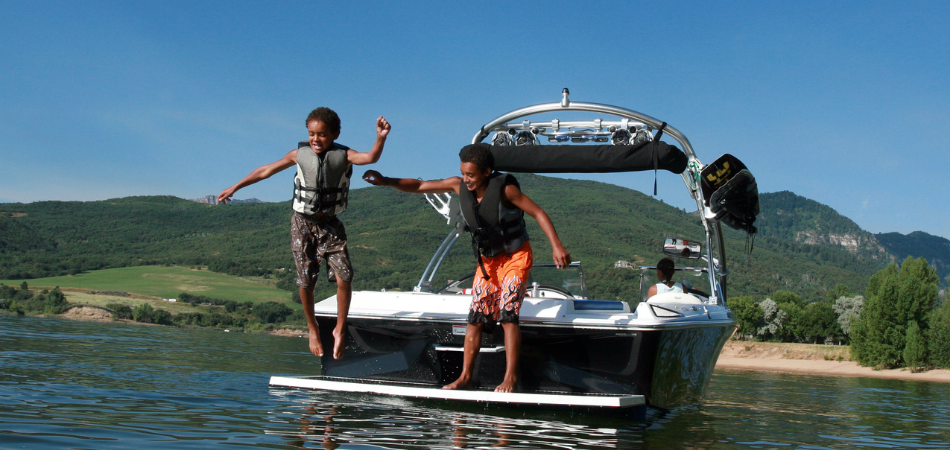
If you're passionate about water sports and considering buying a boat, you've likely come across two popular options: wake boats and ski boats. While they may look similar at first glance, these vessels are designed with different purposes in mind—and understanding their distinctions can help you make a smarter investment.
Whether you're into high-speed skiing or carving through massive wakes on a wakeboard, choosing the right boat is essential for performance, safety, and enjoyment. In this guide, we'll break down the differences between wake boats and ski boats, explore their unique features, and help you decide which one suits your lifestyle. Plus, we’ll touch on the importance of marine insurance and how Orbit can help protect your investment.
What is a ski boat?
A ski boat is a specialized vessel built for water skiing, slalom skiing, and tow sports that require a flat, minimal wake. These boats are typically 16 to 26 feet long and engineered for speed and precision. With powerful engines capable of reaching speeds of 50 mph or more, ski boats are ideal for skiers who want a smooth ride and consistent pull.
Key features of ski boats:
- Direct drive engine: Positioned in the center of the boat, this setup provides better weight distribution and a flatter wake.
- Ski pylon or tow bar: A central tow point ensures a stable pull for skiers.
- Shallow hull design: Helps reduce wake size and improve maneuverability.
- Lightweight construction: Enhances speed and responsiveness.
Ski boats are perfect for those who prioritize speed, agility, and minimal wake, making them the go-to choice for competitive skiers and recreational enthusiasts alike.
What is a wake boat?
A wake boat, also known as a wakeboard boat, is designed to create large, surfable wakes for wakeboarding, wakesurfing, and other high-impact water sports. These boats are generally larger and heavier than ski boats, ranging from 20 to 35 feet in length, and are built to accommodate more passengers and gear.
Key features of wake boats:
- Ballast system: Tanks filled with water (or sometimes sand) add weight to the boat, increasing wake size.
- V-Drive engine: Located at the rear, this setup shifts weight to the back, enhancing wake formation.
- Wake shaping devices: Tabs, plates, and surf systems allow customization of wake shape and size.
- Tower with tow point: Elevated tow points help riders get more air during tricks.
Wake boats are ideal for thrill-seekers who want to ride big waves, perform aerial tricks, or enjoy a more social experience on the water.
Can you ski with a wake boat?
Yes, you can ski with a wake boat—but with limitations. Many modern wake boats are designed for multi-sport use, meaning they can accommodate skiing, wakeboarding, and tubing. However, because wake boats are built to create large wakes, they may not provide the flat, consistent wake that water skiers prefer.
If you're a casual skier or enjoy a variety of water sports, a wake boat can be a versatile option. But for serious skiing, a dedicated ski boat will deliver better performance.
Can you wakeboard with a ski boat?
Technically, yes—but it’s not ideal. Ski boats lack the ballast systems and hull design needed to generate the large wakes that wakeboarders crave. Their shallow hulls and central engine placement result in minimal wake, which is great for skiing but not for wakeboarding.
If you're just starting out or only wakeboard occasionally, a ski boat might suffice. But if wakeboarding is your main activity, investing in a wake boat will significantly enhance your experience.
How does the ballast system work on a wake boat?
The ballast system is one of the defining features of a wake boat. It works by adding weight to the boat, which lowers it in the water and displaces more water, creating larger wakes.
How it works:
- Water intake: The boat uses pumps to draw water from the lake or ocean into onboard ballast tanks.
- Tank placement: Tanks are strategically placed in the bow, stern, and midship to control wake shape.
- Wake customization: Advanced systems allow riders to adjust ballast levels and wake profiles via touchscreen controls.
Some wake boats also include surf gates or tabs that redirect water flow, allowing for wake surfing on either side of the boat. These innovations make wake boats highly customizable for different skill levels and sports.
Safety considerations for wake boats and ski boats
Safety is paramount when operating any watercraft. Both wake boats and ski boats are safe when used responsibly, but each comes with its own considerations.
General safety tips:
- Designated driver: Always have a sober, experienced operator at the helm.
- Spotter onboard: A second person should watch the rider and communicate with the driver.
- Life jackets: Ensure all passengers and riders wear properly fitted life vests.
- Emergency gear: Carry a first aid kit, fire extinguisher, and signaling devices.
Wake boats, due to their size and wake, can pose risks to smaller vessels and shoreline erosion. Ski boats, being faster and more agile, require careful handling at high speeds. Always follow local boating regulations and respect other water users.
Which is better: Wake boat or ski boat?
The answer depends on your preferred water sport, budget, and lifestyle.
Choose a ski boat if:
- You love water skiing or slalom skiing.
- You want a fast, agile boat with minimal wake.
- You prefer a more affordable and fuel-efficient option.
Choose a wake boat if:
- You’re into wakeboarding, wakesurfing, or tubing.
- You want a customizable wake and more onboard space.
- You enjoy hosting friends and family on the water.
Some boaters opt for hybrid models that offer decent performance for both skiing and wakeboarding. These boats may not excel in one area, but provide flexibility for multi-sport families.
Why boat insurance is absolutely essential
No matter which boat you choose, insurance is a must. Boats are a significant investment, and accidents on the water can lead to costly repairs, liability claims, or even medical expenses.
What boat insurance covers:
- Physical damage: Covers repairs or replacement due to collisions, storms, or vandalism.
- Liability protection: Protects you if someone is injured or property is damaged.
- Personal effects: Covers gear like wakeboards, skis, electronics, and more.
- Watersports liability: Essential for wakeboarding and skiing activities.
- Theft coverage: Especially important for high-value or easily transportable vessels like PWCs.
At Orbit, we understand the unique needs of boaters. Whether you own a jet ski, wake boat, or ski boat, our marine insurance experts can tailor a policy that fits your lifestyle and budget. We offer coverage options up to $3 million for watersports liability, including protection for personal effects, emergency towing, and more.
Final thoughts: Making the right choice
Wake boats and ski boats each offer a unique experience on the water. Your decision should be based on how you plan to use the boat, who will be on board, and the kind of performance you expect. If you're still unsure, talk to a marine insurance expert at Orbit—we’re here to help you navigate your options and protect your investment.
Ready to hit the water?
Request a quote from an Orbit marine insurance broker today. We’ll help you find the best coverage for your watercraft, lifestyle, and budget—so you can enjoy every wave with confidence.
-Home.svg?ext=.svg)
-Auto.svg?ext=.svg)
-Travel.svg?ext=.svg)


-Home.svg?ext=.svg)
-Auto.svg?ext=.svg)
-Boat.svg?ext=.svg)
-Business.svg?ext=.svg)
-Collector.svg?ext=.svg)
-Prize-Indemnity.svg?ext=.svg)
-Motorcycle.svg?ext=.svg)
-RV-Class-A.svg?ext=.svg)
-RV.svg?ext=.svg)
-Travel.svg?ext=.svg)

