Date Published: 2026/04/07
Read Time: mins
Wildfire evacuation orders in Canada: Next steps for homeowners
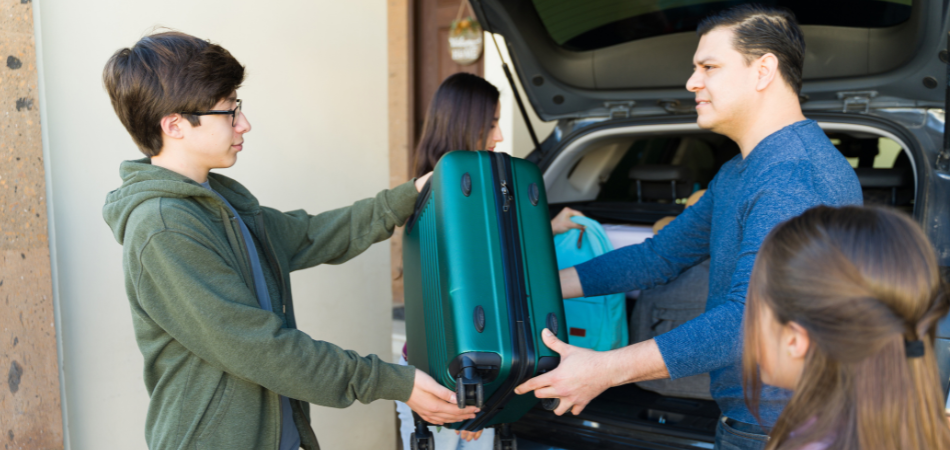
Every wildfire season, thousands of Canadian homeowners receive the alert they hoped would never come: a wildfire evacuation order. With little time to think and even less time to prepare, the key to staying calm in that moment is having a plan already in place.
That means understanding your insurance coverage for wildfire damage, knowing what steps to take before the season begins, and being clear on how the claims process works if you ever need it.
This article walks you through what to do before, during, and after a wildfire evacuation so you're ready when it matters most.
Does my home insurance cover damages from wildfire events?
A common question is whether damages from wildfires are covered by home insurance. Typically, yes. Most standard home and tenant insurance policies in Canada cover fire damage, including wildfires.
Here's what a standard home insurance policy typically covers in a wildfire event:
- Damage to or loss of your home and its structure.
- Damage to or loss of personal belongings such as furniture, electronics, and clothing.
- Living expenses if you're displaced, including temporary accommodations, food, and essential items.
- Removal of fire retardant applied to the exterior of your home during wildfire suppression efforts.
- Vandalism or theft that occurs while your home is vacant during an evacuation.
Before a wildfire: How to prepare now
If you live in a wildfire-prone area, prepare well before wildfire season begins. These steps are most effective when taken early, giving you time to act calmly.
Review your home insurance coverage
Before wildfire season gets underway, take time to review your home insurance policy. Try to review your policy documents to understand what is covered before your effective dates (start and end dates), not after a loss. Coverage limits and deductibles vary by policy.
Key items to confirm:
- Coverage limits: Review your policy to know your replacement cost coverage for your home and other structures. Confirm whether your limits reflect current rebuild costs.
- Contents coverage: Confirm your personal belongings coverage limits. Check whether high-value items such as jewellery, artwork, or electronics require a separate endorsement.
- Additional living expenses: Confirm what your policy covers for hotels, meals, pet boarding, storage, and other living costs during displacement. Check for any time limits or dollar caps.
Create a home inventory
Having clear documentation makes the claims process significantly smoother if you ever need to file one:
- Walk through your home and photograph or video every room, including the contents of closets, cabinets, and storage areas.
- Note serial numbers for electronics and appliances where possible.
- Store copies somewhere safe and accessible outside your home. Use secure cloud storage or email them to yourself.
Know your evacuation zone
According to a 2024 Aviva Canada survey, 66 per cent of Canadians don't know where to find wildfire risk information for their area. Take a few minutes now to:
- Look up your municipality's evacuation zone designations.
- Sign up for local emergency alerts so you're notified the moment conditions change.
- Identify at least two evacuation routes out of your neighbourhood.
Keep your vehicle fueled and practise your evacuation plan regularly so the whole household knows exactly what to do.
Assemble a go-bag
If an evacuation order is issued, you may have little time to gather belongings. Prepare a go-bag in advance with:
- Identification documents such as passports, birth certificates, and driver's licences.
- Insurance policy documents and your insurer's contact information.
- Medications and medical supplies.
- Phone chargers, cash, and a spare set of keys.
- A change of clothes and basic toiletries.
- Irreplaceable items such as family photos or heirlooms.
If you have pets, keep carriers, food, and water packed. This way, they are ready to go the moment you need to leave.
Reduce wildfire risk around your home
There are practical steps you can take to reduce wildfire risk to your home and property. Take action on these tips:
- Clear dry leaves, debris, and other flammable materials from around your home regularly.
- Store firewood, propane tanks, and combustible patio furniture away from your home's exterior.
- Keep up with local fire danger ratings, open fire bans, and alerts from local safety officials.
- Visit FireSmart Canada for a full home assessment checklist with tips to mitigate your wildfire risks.
During a wildfire evacuation order: What to do when you have to leave
Evacuation orders can feel overwhelming. Having a plan ready makes a difference. Here's how to act smoothly.
Leave promptly and safely
- Follow the instructions of local emergency officials and leave as soon as an order is issued.
- Park your car in the driveway facing outwards with doors and windows closed while you load it with your go-bag and any other essentials.
- Close windows and doors in your home. Remove window coverings. Turn off gas and air conditioning if time and safety allow.
- Let a trusted contact outside the affected area know where you're going.
Notify your insurance provider
- Contact your insurance company or broker as soon as it's safe to do so.
- Make sure your insurer has your current cell phone number and email address so your claims adjuster can reach you promptly.
- Keep receipts from the moment you leave your home. Additional living expense coverage usually begins as soon as an evacuation order is issued. Detailed records help ensure your claim is processed smoothly, and you’re fully reimbursed.
After a wildfire evacuation order: Submitting insurance claims
Returning home after a wildfire evacuation can be emotional and stressful. Taking the right steps will help protect your claim and support recovery.
Wait for clearance before entering
- Do not return to your property until local emergency officials say it is safe.
- Once cleared to return, consult a trusted source, such as the Red Cross Guide to Wildfire Recovery, for guidance on re-entering safely.
Document all damage
- Create an inventory of all structural damage and damaged or destroyed belongings.
- Photograph and video all damage before moving or discarding anything.
- If you need to make emergency repairs to prevent further damage, keep all receipts and document the work completed.
Contact your insurer and start your claim
- Contact your insurer as soon as possible to start your claim. Early contact means faster support and payment.
- A claims adjuster will assess your file and guide you through the process.
- Take notes during every conversation with your adjuster. Record the date, their name, and what was discussed.
The best time to prepare for wildfire season is now
Wildfires are an increasingly real part of life for many Canadians. The steps you take now, before a flame or order threatens your neighbourhood, matter most. A home inventory completed today, a go-bag packed this weekend, or a policy review with your broker can make an enormous difference when time is short and stress is high.
At Orbit Insurance Services, we're happy to help you review your options and find the protection that fits your home and your needs. Request a quote today to get started.
-Home.svg?ext=.svg)
-Auto.svg?ext=.svg)
-Travel.svg?ext=.svg)


-Home.svg?ext=.svg)
-Auto.svg?ext=.svg)
-Boat.svg?ext=.svg)
-Business.svg?ext=.svg)
-Collector.svg?ext=.svg)
-Prize-Indemnity.svg?ext=.svg)
-Motorcycle.svg?ext=.svg)
-RV-Class-A.svg?ext=.svg)
-RV.svg?ext=.svg)
-Travel.svg?ext=.svg)

