Date Published: 2026/06/01
Read Time: mins
Wildfire prevention by region: Practical steps to protect your home
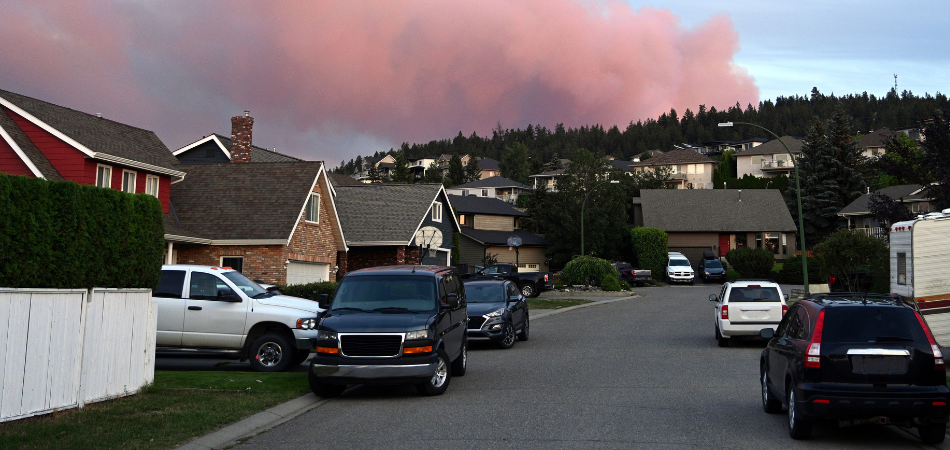
Hotter, drier conditions and shifting weather patterns are driving higher wildfire risk across Canada. While the level of risk varies by location, understanding regional wildfire threats can help homeowners take steps to reduce potential damage.
The good news is that wildfire prevention does not require extreme or costly measures. Many of the most effective actions are simple, affordable, and easy to include in regular home maintenance routines.
Wildfire prevention in Western Canada
British Columbia, Alberta, and parts of the Prairies experience some of the highest levels of wildfire activity in the country. Dry summers, forested landscapes, and strong winds can cause fires to spread quickly, particularly in rural areas and communities near forests or grasslands. Practical prevention steps include:
- Maintain a defensible space by clearing dry vegetation, pine needles, and debris within 10 metres of your home.
- Storing firewood, lumber, and propane tanks away from buildings and decks.
- Choosing fire-resistant roofing, siding, and landscaping materials when repairing or upgrading a home.
- Avoiding yard burning, target shooting, or using spark-producing equipment during hot, dry, or windy conditions.
Wildfire prevention in Central Canada
Ontario and Quebec experience fewer wildfires overall, but risk increases in cottage country, northern regions, and during dry spring conditions. Many fires in these areas are caused by human activity, which makes prevention especially important. Smart habits for homeowners and cottagers include:
- Keeping roofs, eavestroughs, decks, and sheds clear of leaves and pine needles.
- Following municipal and provincial restrictions for campfires, brush burning, and fireworks.
- Never leaving campfires unattended and fully extinguishing them with water before leaving the area.
- Placing barbecues and fire pits well away from structures and combustible materials.
Wildfire prevention in Atlantic Canada
Historically, Atlantic Canada has faced lower wildfire risk than other regions. However, recent dry springs have increased both the number and severity of wildfires, particularly early in the season before vegetation has fully regrown. Early-season prevention tips include:
- Delaying brush burning until permits are issued and conditions are confirmed to be safe.
- Properly extinguishing smoking materials and never discarding them from vehicles.
- Clearing dead grass, leaves, and fallen branches away from homes and outbuildings.
- Reporting unattended fires or signs of smoke to local authorities as soon as possible.
Wildfire prevention steps that apply everywhere
Regardless of location, certain wildfire prevention principles apply across Canada. Staying informed and prepared can significantly reduce risk and improve safety if a wildfire occurs. As a Canadian homeowner, you can help protect your property by:
- Monitoring local wildfire risk levels and alerts during fire season.
- Creating an emergency kit and a household evacuation plan.
- Keeping important documents backed up and easy to access.
- Reviewing home insurance coverage to understand what is protected and where gaps may exist.
- Following these additional fire prevention tips to help keep your property safe.
A shared responsibility
Wildfire prevention is not only an individual responsibility. When homeowners take small, consistent actions, they help reduce risk for neighbours, first responders, and entire communities. Awareness, preparation, and ongoing prevention efforts can make a meaningful difference, no matter the region.
Taking steps today can help protect homes, neighbourhoods, and what matters most in the future. Contact an Orbit insurance broker for a quote today.
-Home.svg?ext=.svg)
-Auto.svg?ext=.svg)
-Travel.svg?ext=.svg)


-Home.svg?ext=.svg)
-Auto.svg?ext=.svg)
-Boat.svg?ext=.svg)
-Business.svg?ext=.svg)
-Collector.svg?ext=.svg)
-Prize-Indemnity.svg?ext=.svg)
-Motorcycle.svg?ext=.svg)
-RV-Class-A.svg?ext=.svg)
-RV.svg?ext=.svg)
-Travel.svg?ext=.svg)

