Date Published: 2026/11/13
Read Time: mins
Going away this winter? Keep your home safe while you are gone
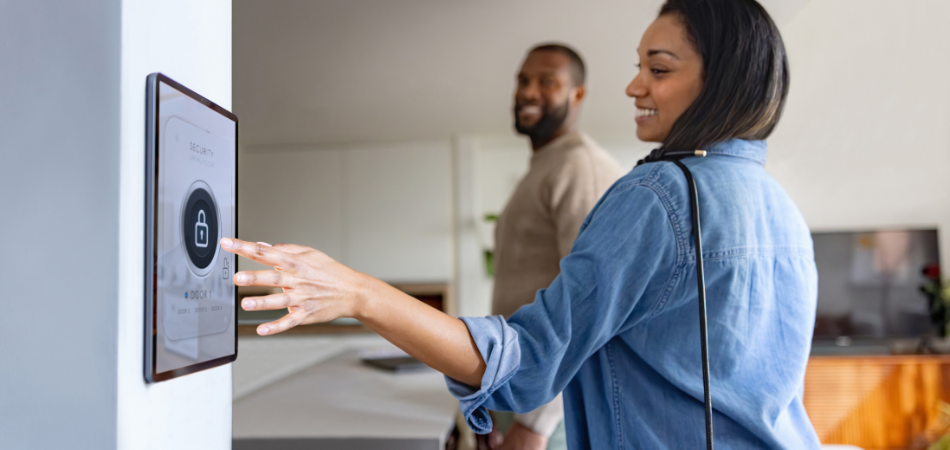
Planning a winter getaway? Before packing your bags, take time to prepare your home. A few precautions can help reduce the risk of frozen pipes, water damage, and break-ins while you’re on vacation or away for an extended visit. Here’s what to consider before you leave.
- Prepare heating and plumbing for winter
- Coordinate snow and ice removal
- Arrange regular home checks
- Monitor your home with smart devices
- Complete a final walk-through before leaving
Are your heating and plumbing ready for winter?
Add furnace maintenance to your pre-trip checklist. Schedule a professional inspection and replace air filters as needed. If your home has a gas fireplace, follow the manufacturer’s instructions and ask a qualified professional how to prepare it while you’re away.
Give your plumbing attention, too. Prepare outdoor faucets for winter and insulate exposed pipes, especially in unheated areas such as crawl spaces. A qualified professional can recommend suitable insulation or heat-tracing products. Open kitchen and bathroom cabinet doors where pipes are located so warm air can reach them.
Before shutting off the main water supply or draining your plumbing, speak with an Orbit insurance broker and a qualified plumber. These steps aren’t suitable for every home, particularly if your heating or fire-protection systems depend on water. Follow professional guidance tailored to your home’s systems.
Who will take care of snow and ice?
Before leaving, arrange to clear leaves and debris from gutters so water can drain properly. Hire a qualified professional for work at great heights or concerns about ice buildup. Learn how to prevent costly insurance claims in the winter.
Arrange for a neighbour or snow removal service to keep your driveway and walkways clear. This helps reduce slip-and-fall risks and keeps access clear for the person checking your home.
Who will check on your home?
Ask someone you trust to check your home regularly and leave clear instructions and emergency contacts. Before setting up a schedule, ask your insurance broker how often your policy requires visits and what those checks need to include.
How can you secure your home before you leave?
Start with the basics: lock all doors and windows, check weatherstripping and set light timers or smart plugs to make your home appear occupied. Have someone collect your mail, or put delivery on hold so it doesn’t pile up.
Test your security system and activate it before leaving. If it’s monitored, confirm how the service responds to alerts. Remote cameras can also help you keep an eye on your property while you’re away.
How can smart devices help?
Connected devices can help you monitor your home from a distance. Smart leak detectors can send moisture alerts, and compatible shutoff devices may let you turn off the water remotely. Smart thermostats can monitor temperatures, while connected smoke alarms and carbon monoxide detectors can send safety alerts. Choose equipment that suits your home and confirm how you will receive and respond to notifications.
What should your final walk-through include?
Clear out food that could spoil and unplug non-essential appliances. Take a moment to update your home inventory, including photos or videos of your property and valuables. If you ever need to make a claim, that record can help document your belongings.
Before you leave, contact an Orbit insurance broker to review your home insurance, including coverage, exclusions, and requirements for an extended absence. Understanding your policy is an important part of preparing for your time away, so you can leave feeling informed and ready for your getaway.
Frequently asked questions
How often should someone check my home while I am away?
The required frequency and details of home checks can vary by policy. Ask an insurance broker about policy requirements before setting up a schedule.
Should I turn off the water before my winter vacation?
Not in every home. Speak with an insurance broker and a qualified plumber before shutting off the main water supply or draining plumbing, particularly when heating or fire-protection systems depend on water.
What temperature should my home be while away?
Heating needs vary by home and system. Follow manufacturer and qualified guidance and confirm whether the insurance policy has temperature or maintenance requirements.
Can smart home devices replace in-person home checks?
Smart devices can provide alerts and remote monitoring, but they may not replace policy-required visits. Confirm the requirements with an insurance broker.
What should the person checking my home look for?
Provide clear instructions based on the home and policy. Typical checks may include heating, signs of water leaks, security, snow access, and other visible issues, but the policy should determine the required scope.


